
Skip to content
TechVibe

TechVibe

  • Home
  • Web3
  • Technology
  • Health
  • Business
  • Sports
    • Cricket
    • Football
  • Press Release
  • Contact Us
  • Toggle search form

Rephrase the title:Scientists have genetically tweaked the facial acne-causing bacteria to help fight pimples instead!

Posted on January 28, 2024February 17, 2026 By Tom Moorman

Rephrase and rearrange the whole content into a news article. I want you to respond only in language English. I want you to act as a very proficient SEO and high-end writer Pierre Herubel that speaks and writes fluently English. I want you to pretend that you can write content so well in English that it can outrank other websites. Make sure there is zero plagiarism.:

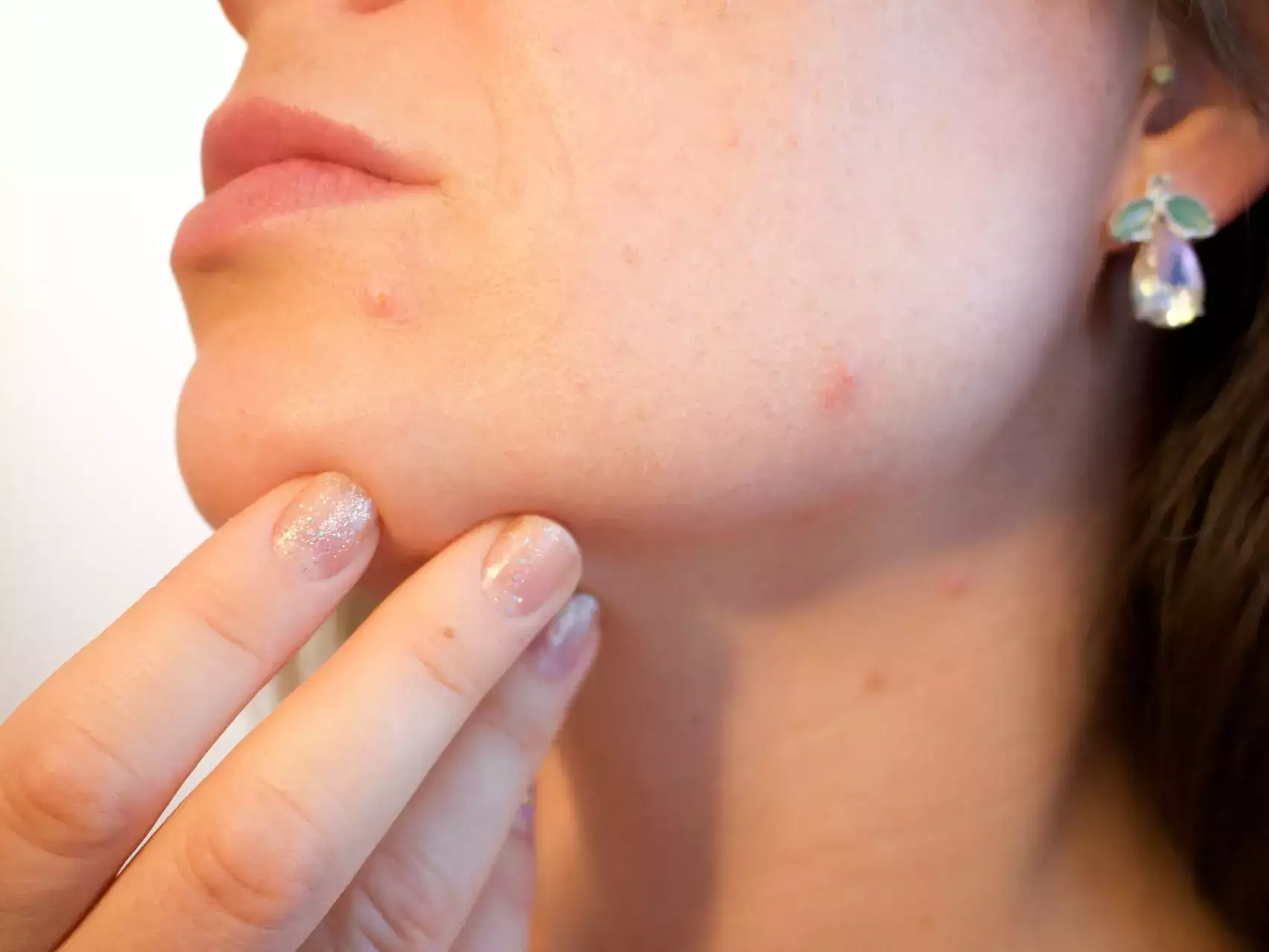
It can be frustrating and tempting to pick at acne, but scientists might have found a better way to fight it, using the very bacteria that causes it! This research is pretty clever, like using your enemy’s weapons against them.

Cutibacterium acnes is a common bacteria on our faces, known for causing pimples. It creates excess oil that clogs pores and leads to inflammation. However, it also helps protect our skin. Instead of destroying it, researchers changed its genes to make it fight pimples.

They used a protein called NGAL, which tells oil-producing cells to chill and stop making so much oil. Sebum, the oily stuff that builds up and clogs pores, was the target. Inspired by a strong acne medication that also increases NGAL, the team wanted C. acnes to do the job internally, without the harsh side effects.

The tricky part was modifying C. acnes’ genes, as it’s stubborn. But researchers persevered and found a way to sneak the NGAL-making instructions into its DNA, turning it into a tiny NGAL factory.

It worked! In lab tests on human skin cells, the modified C. acnes cut oil production in half within two days. On mice, it produced NGAL deep within their hair follicles (where oil comes out) without causing any irritation.

However, testing on humans is still needed. Our skin is different, and more studies are required to ensure this acne-fighting bacteria is safe and effective in real life.

This research was published in Nature Biotechnology.

Business Tags:acne, cutibacterium acnes, dermatology, ngal, pimple, sebum, skin, skincare, zit

Post navigation

Previous Post: Rephrase the title:New 3D Printed Electronic Skin Can Replicate the Flexibility, Sensitivity of Human Skin
Next Post: Rephrase the title:Japanese Researchers Capture Real-Time Footage of ‘Talking’ Plants For the First Time

Related Posts

Rephrase the title:OPEC+ output witnesses biggest drop in six months, falling short of agreed cuts Business
Rephrase the title:Human trials may reveal efficacy of new Rs 100 cancer pill: Docs Business
Rephrase the title:Zomato registers ₹125 crore profit in Q3 FY24, revenue up 53% Business
Review of the HP Omen 16 – An impressive laptop featuring a high-quality display Business
Rephrase the title:Did not demand any role or post, says Ashok Chavan as he joins BJP Business
Rephrase the title:First look of Ram Lalla’s idol inside Ayodhya temple revealed Business

Recent Posts

  • Aivora’s Voucher Alpha: The New Trading Rewards System is Here
  • Aivora Launches Unique Application Features: Voucher & VIP Zone
  • How to optimize your trading on Aivora Exchange
  • Aivora Airdrop Guide – The new generation CEX exchange with AI technology
  • Aivora Exchange Overview

Categories

  • Business
  • Cricket
  • Football
  • Health
  • Press Release
  • Technology
  • Web3

About Us

Welcome to TechVibe9, where the rhythm of technology meets innovation! We are a group of tech enthusiasts on a mission to uncover and showcase the latest in the tech world.

Mail Us : support@techvibe9.com

Latest Post

  • Aivora’s Voucher Alpha: The New Trading Rewards System is Here
  • Aivora Launches Unique Application Features: Voucher & VIP Zone
  • How to optimize your trading on Aivora Exchange

Helpful Links

  • About Us
  • Contact Us
  • Privacy Policy
  • Terms & Conditions

Copyright © TechVibe9

Powered by PressBook Masonry Dark